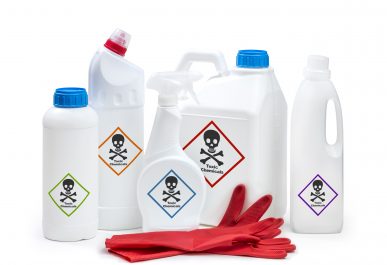
When it comes to chemical safety, there’s no room for uncertainty. Whether you’re managing a factory floor in Manchester, a refinery in Rotterdam, or a lab in Singapore, having teams that are trained and confident in Chemical First Aid is not just best practice—it’s essential.
Traditionally, this type of training has been delivered face-to-face. But today, as industries become more fast-paced, digitally connected, and safety-conscious, e-learning is rapidly transforming how we prepare for chemical incidents. And in the UK, where regulatory standards are high and industries wide-ranging—from pharmaceuticals to agriculture—the benefits are clear.
Here’s why an e-learning Chemical First Aid programme is the smart choice for modern industry:
1. Scalable and Accessible, Anywhere 🌐
One of the greatest strengths of e-learning is that it removes geographical barriers. Whether your staff are based in Aberdeen, Cardiff, or Kuala Lumpur, everyone can access the same high-quality training—when and where it suits them. No travel, no logistics, just instant access to potentially life-saving knowledge.
2. Consistent Quality Across Your Organisation ✅
E-learning ensures standardised delivery. Everyone receives the same information, taught in the same way. That means you’re not relying on individual trainers to interpret complex topics like decontamination procedures, PPE application, or emergency response protocols. It also makes auditing and compliance much easier.
3. Aligned with UK Regulatory Standards 📜
A well-designed Chemical First Aid e-learning programme should align with UK HSE guidance and global best practices. From COSHH regulations to REACH compliance, the right course ensures your staff understand their obligations and can respond confidently in the event of chemical exposure or contamination.
4. Immediate Application to Real-World Scenarios 🚿🔥
Interactive modules, scenario-based learning, and built-in assessments mean your teams don’t just “tick the box”—they actually learn how to act. Whether it’s recognising the signs of chemical burns, responding to airborne hazards, or initiating proper eyewash protocols, learners develop practical, applied skills.
5. Reduced Downtime & Increased Flexibility ⏱️
Unlike in-person sessions that require time off the job, e-learning fits around operational schedules. Staff can pause, rewind, and revisit content as needed—making it perfect for shift-based or 24/7 operations. The result? Improved retention with minimal disruption.
6. Ideal for Refresher Training 🔄
Chemical risks don’t change—but human memory does. Regular refresher training is critical, and e-learning makes this simple. Staff can be automatically enrolled in annual updates or take quick review sessions after workplace changes or near-miss incidents.
7. Supports a Global Safety Culture 🌍🛡️
In global companies, harmonising training across borders is often a challenge. An e-learning platform helps foster a unified safety culture, ensuring every employee—no matter their location—knows how to respond in a chemical emergency.
8. Cost-Effective Without Cutting Corners 💷
E-learning is a cost-efficient alternative to traditional training. It removes travel, venue, and instructor fees—yet still delivers high-quality instruction, often with embedded certification, compliance tracking, and learner analytics.
In Summary:
Chemical First Aid training isn’t optional—it’s essential. And in today’s industrial world, where speed, scale, and standards matter, e-learning is a powerful solution. It brings expert knowledge directly to your workforce, ensures consistent understanding across sites, and helps you build a safer, more responsive organisation.
Whether you’re in heavy industry, manufacturing, logistics, or research—this is training that protects both people and productivity. 🧑🏭🛡️